If you live in Bedfordshire, you’ve probably wondered whether your general waste should be bagged or left loose when putting it out for collection or arranging a private clearance.
So, should general waste in Bedfordshire be bagged?
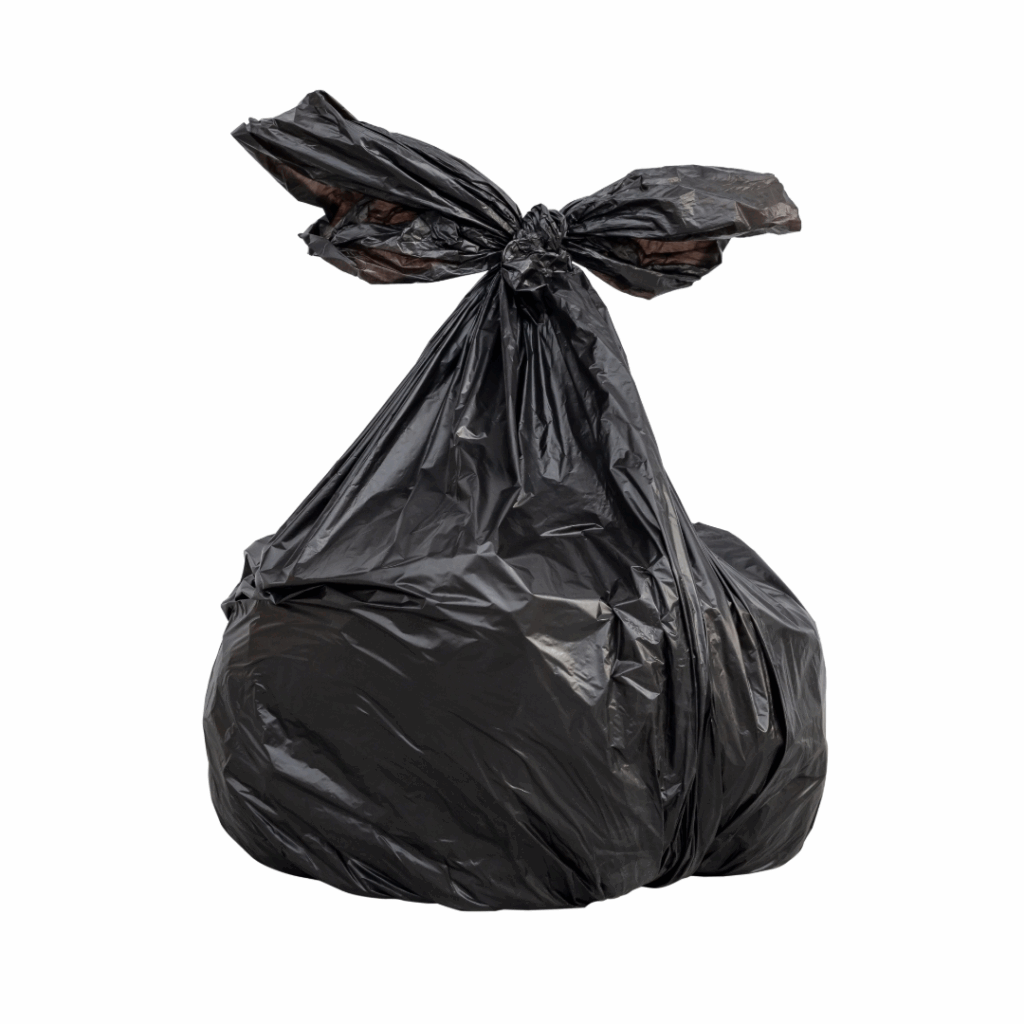
The short answer is yes, bagging most general waste is recommended, but there are important exceptions depending on the type of waste, who’s collecting it, and where it’s going.
🗑️ 1. What Counts as General Waste
General waste (also called residual waste) is everything that cannot be recycled in your usual green or blue bins.
Typical examples include:
Non-recyclable plastics and packaging
Polystyrene and bubble wrap
Broken ceramics or glassware
Nappies and sanitary items
Food scraps that are too contaminated for composting
If it’s messy, mixed, or non-recyclable, it usually falls under this category.
🛍️ 2. Why Bagging Waste Matters
Bagging your general waste keeps the collection area clean, safe, and compliant.
Here’s why it matters:
🦠 Hygiene: sealed bags prevent odours, pests, and spillages.
💧 Weather protection: Bedfordshire councils often reject bins with loose waste soaked by rain or frozen together.
🚮 Handling efficiency: collection crews can move bagged waste faster and reduce contamination of recycling loads.
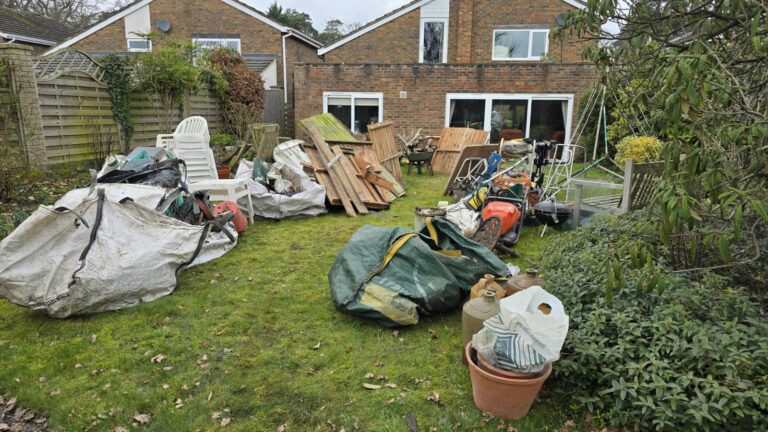
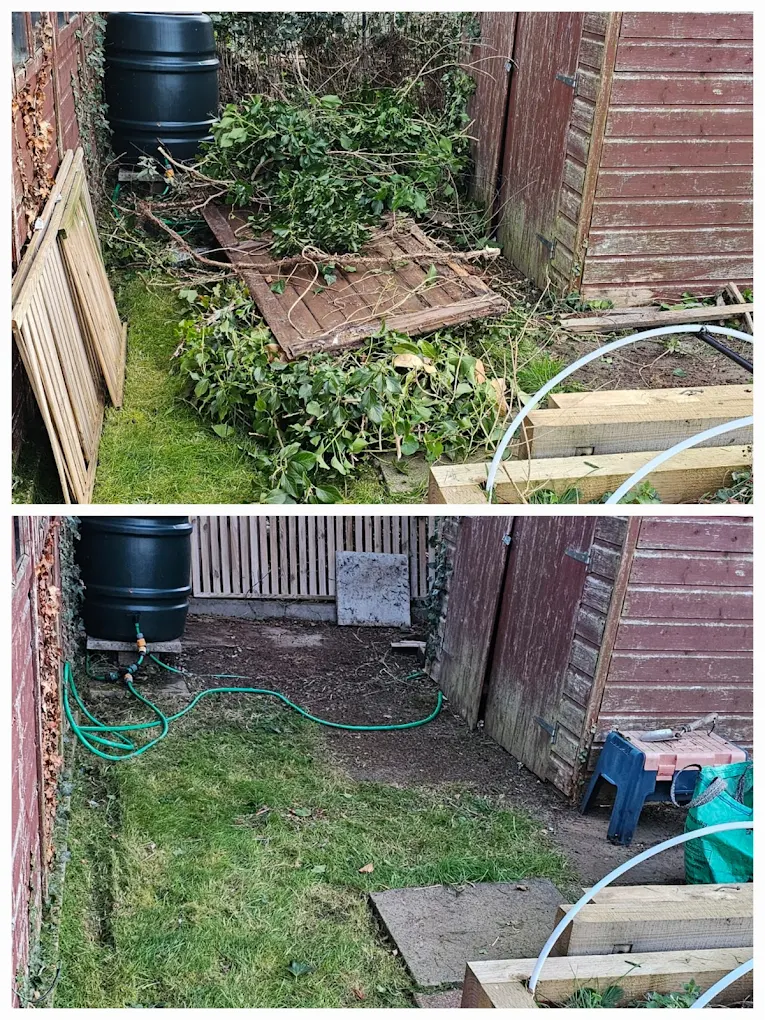
When you book a house-clearance service with Trash-T LTD, we always advise clients to bag small, mixed items such as clothing, packaging, and soft plastics, but large furniture, appliances, and bulky waste should stay unbagged for safe lifting.
🚫 3. When Not to Bag Waste
There are some exceptions:
Recyclables (paper, plastics, metals) should be placed loose in the correct bin.
Garden waste must go into council-issued brown bins without bags.
Electricals, batteries, paint, and chemicals should never be bagged with general waste — they require special disposal.
Mixing hazardous materials with household rubbish is against Bedfordshire Waste Partnership guidelines and can lead to fines.
🧾 4. Council vs. Private Collections
| Collector | Bagging rule | Notes |
|---|---|---|
| Bedford Borough Council | Waste should be inside tied black bags within the grey bin. | Loose waste can cause missed collections. |
| Central Bedfordshire Council | Bag small waste to keep bins clean. Large items need a booked bulky-item collection. | |
| Trash-T LTD (private clearances) | Bag small items; leave furniture and heavy materials unbagged. | We handle lifting, loading, and recycling for you. |
🌍 5. How Trash-T LTD Handles Waste Responsibly
All collected waste is transported to a licensed transfer station where it’s sorted and processed for recycling or energy recovery.
We recycle or reuse over 87 percent of what we collect, and every job includes a digital Waste Transfer Note confirming legal disposal under Environment Agency registration CBDU548648.
🧹 6. Tips for Preparing Your Waste
Use strong black or clear bags, avoid thin supermarket bags.
Do not overfill; tie securely.
Label bags “waste” or “recycling” if you have both.
Keep bags indoors or covered until collection day.
Book large or mixed loads with a licensed carrier such as Trash-T LTD.
☎️ Need Help with Waste Collection?
If you’re clearing a property, moving home or managing renovation debris, Trash-T LTD provides quick, eco-friendly waste-removal and house-clearance services across Bedfordshire, Hertfordshire, and Cambridgeshire.
📞 Call 07444 055 035 or request a free quote today, we’ll advise exactly what to bag, what not to, and handle the rest responsibly. Should General Waste in Bedfordshire Be Bagged? Simpy get in touch if you still unsure.
💬 Frequently Asked Questions – General Waste in Bedfordshire
1. Should general waste in Bedfordshire be Bagged??
Yes. Most Bedfordshire councils recommend bagging your general waste to keep bins clean and prevent spillages. Always tie bags securely before placing them in your grey or black bin.
2. Can I mix recyclable items with general waste?
No. Mixing recyclables with general waste contaminates the load and can result in fines or missed collections. Always separate paper, glass, and plastics into the correct recycling bins.
3. What kind of bags should I use?
Use strong, tied black sacks or clear heavy-duty bags. Avoid flimsy supermarket bags that split easily. For large or heavy waste, leave items unbagged for safer lifting by licensed carriers.
4. Can I put electrical items, paint, or batteries in general waste?
Never. These are classified as hazardous waste and must be disposed of separately at your local recycling centre or through a licensed waste carrier like Trash-T LTD.
5. What happens to my bagged waste after collection?
Trash-T LTD transports all general waste to a licensed transfer station, where over 87 percent is sorted for recycling or energy recovery. Every job includes a digital Waste Transfer Note confirming legal disposal.