From 2026, households and businesses across England will begin to see changes to how waste and recycling are collected. The reforms are part of the government’s national “Simpler Recycling” initiative, designed to standardise collections, reduce confusion and improve recycling rates across the country.
While local councils will still manage collections, the framework they operate under will become more consistent nationwide. For residents and businesses across Bedfordshire, Hertfordshire, Cambridgeshire and Buckinghamshire, this could mean adjustments to what goes in which bin, how materials are separated, and how frequently certain waste streams are collected.
This article explains what is changing and what it may mean locally.
Why Are Bin Collection Rules Changing?
At present, recycling rules vary significantly between councils. Some authorities collect certain plastics, others do not. Some provide separate food waste bins, others combine waste streams.
The 2026 reforms aim to:
Create a more standardised approach to recycling across England
Improve recycling rates and reduce contamination
Ensure food waste is collected separately
Make it clearer for households and businesses what can and cannot be recycled
The objective is to simplify recycling while increasing the amount of material diverted from landfill.
What Is Expected to Change?
Although implementation will vary slightly by council, the national framework indicates that:
1. Four Core Waste Streams
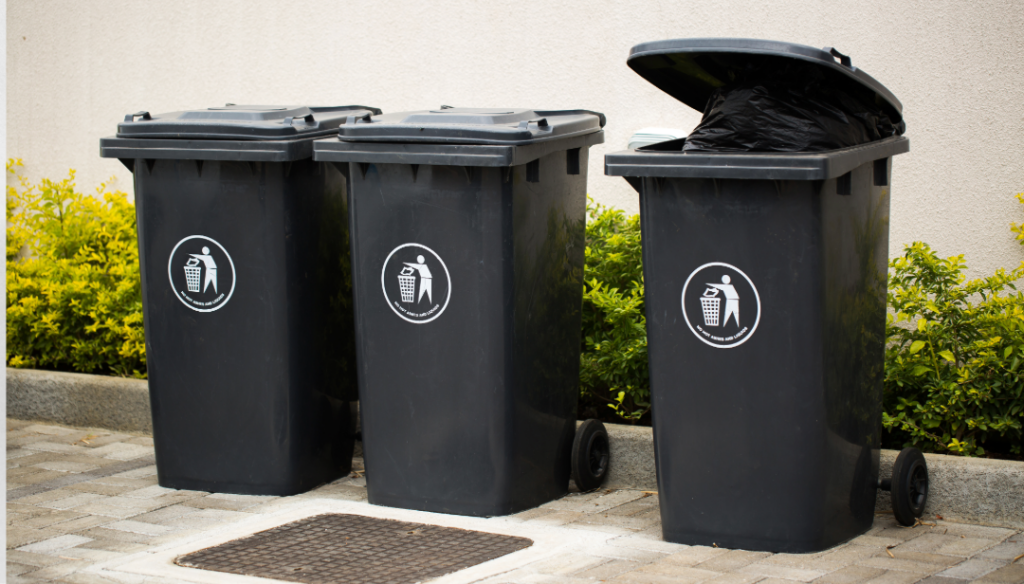
Households are expected to separate waste into defined categories, typically including:
Residual (general) waste
Dry recycling such as paper, card, plastics and metals
Glass
Food waste
Some councils may already operate close to this model. Others may need to introduce new containers or adjust collection schedules.
2. Separate Food Waste Collections
Food waste collections are expected to become more consistent nationwide. This means properties that do not currently have a dedicated food bin may receive one in future.
3. Greater Consistency for Businesses
Businesses, including small companies, will also face clearer obligations regarding waste separation. This could affect commercial premises across towns such as Bedford, Luton, Hitchin, Stevenage, Milton Keynes, Cambridge and surrounding areas.
What Does This Mean Locally?
Bedfordshire
Councils such as Bedford Borough Council and Central Bedfordshire already operate structured recycling systems. However, further alignment with national standards may require clearer material separation and stricter contamination rules.
Hertfordshire
District councils within Hertfordshire operate different systems depending on location. Residents in areas such as Hitchin, Letchworth, Stevenage and Hemel Hempstead may see refinements to collection methods to ensure national compliance.
Cambridgeshire
Cambridge and surrounding districts are generally strong performers in recycling. Even so, adjustments may occur to match the national four-stream model and business compliance standards.
Buckinghamshire
Buckinghamshire Council already provides comprehensive recycling services. The 2026 framework may standardise materials accepted and how they are sorted.
In all cases, final details will come directly from each local authority closer to implementation.
How This Affects Householders
For most residents, the key points are:
Always check your council’s updated recycling guidance
Avoid contaminating recycling with non-recyclable items
Use authorised disposal routes for bulky waste
Never use unlicensed collectors
Under current environmental regulations, householders remain legally responsible for ensuring their waste is passed to a registered waste carrier. If waste is fly-tipped after collection by an unlicensed operator, the original householder can face investigation.
How This Affects Businesses
Small businesses, landlords, letting agents and property managers across Bedfordshire, Hertfordshire, Cambridgeshire and Buckinghamshire should:
Review their commercial waste contracts
Ensure correct waste separation procedures are in place
Confirm that their waste carrier is properly licensed
Maintain documentation for compliance
Stricter separation standards may increase enforcement activity where businesses fail to comply.
Bulky Waste and Clearance Services
National recycling reforms focus primarily on standard bin collections. However, they do not cover:
Furniture removal
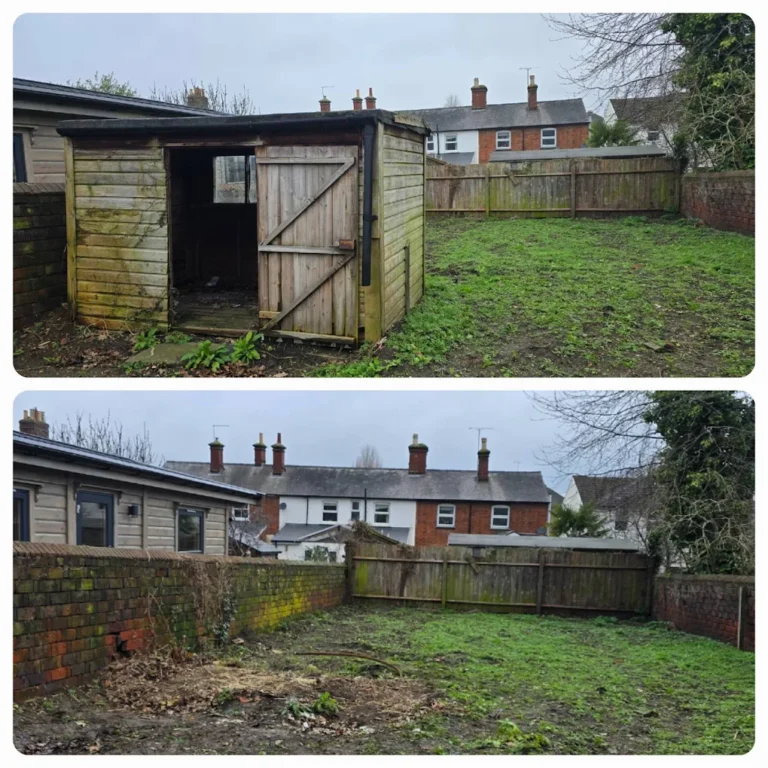
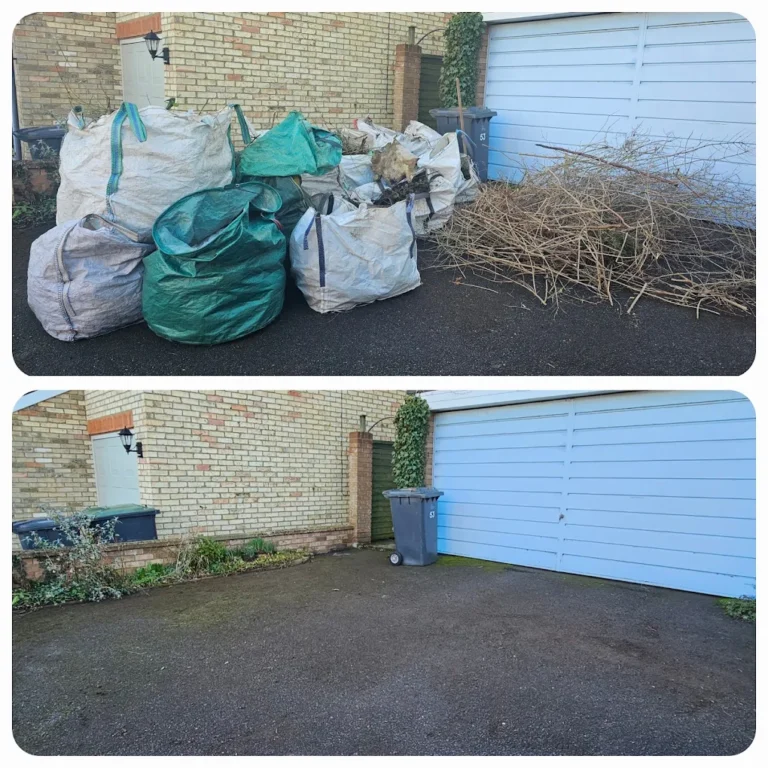
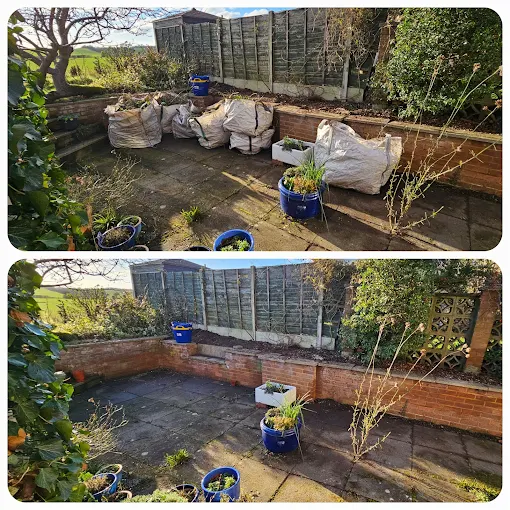
Garden waste removal beyond council limits
Renovation waste
Large item collections
These items must still be handled either through council bulky waste services or a licensed private waste carrier.
Responsible Waste Removal in the Region
For residents and businesses in:
Bedford
Flitwick
Ampthill
Hitchin
Letchworth Garden City
Stevenage
Milton Keynes
Cambridge
St Neots
Biggleswade
Leighton Buzzard
Dunstable
Surrounding towns and villages
It remains essential to use a properly registered waste carrier for any clearance or removal outside normal council collections.
At Trash-T LTD, all waste is transported and disposed of through authorised facilities in accordance with environmental regulations. Waste transfer documentation is maintained, and collections are handled responsibly.
Trash-T LTD is a private waste removal company and is not affiliated with any local council.
Preparing for 2026
Although 2026 may seem distant, preparation now can help avoid confusion later.
Householders can:
Familiarise themselves with their current recycling rules
Reduce contamination in recycling bins
Plan ahead for bulky item disposal
Businesses can:
Review waste management procedures
Train staff on correct separation
Ensure compliance with licensing requirements
Final Thoughts
The 2026 recycling reforms aim to bring greater consistency to waste management across England. For residents and businesses in Bedfordshire, Hertfordshire, Cambridgeshire and Buckinghamshire, the practical impact will depend on how each local authority implements the framework.
What will not change is the legal responsibility to dispose of waste correctly and to use licensed waste carriers.
As enforcement continues nationwide against illegal dumping and unlicensed collection, responsible disposal remains essential.
If you are unsure how to dispose of bulky waste, household items or commercial waste, always verify that your chosen provider is properly registered and compliant.